Find your fit
Who it is for
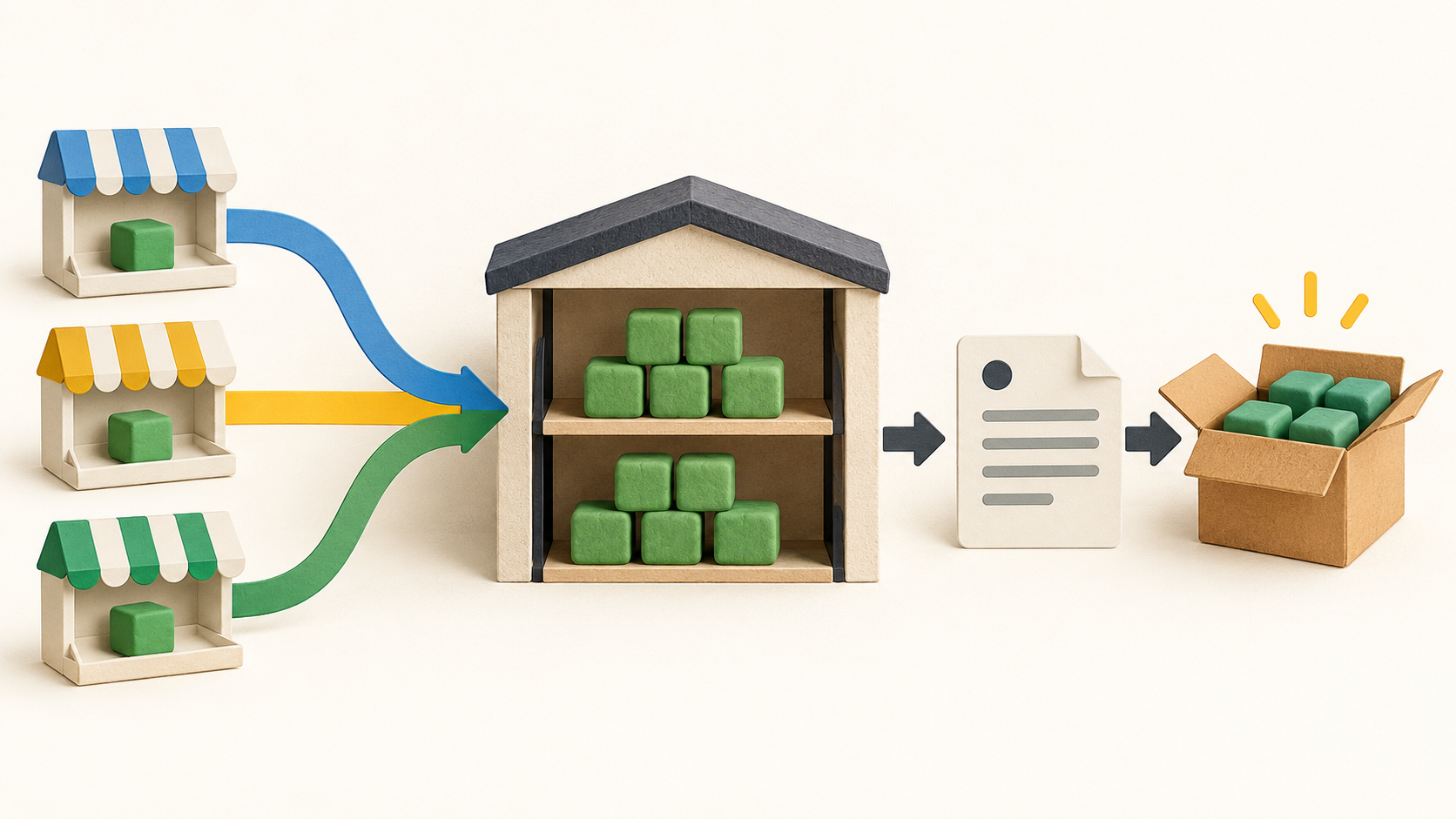
The vendor targets direct-to-consumer merchants on Shopify and Amazon, especially sellers using more than one store, bundles or warehouses. A team handling many SKUs can use the shared stock record to check what is available across channels before replenishing.
The vendor itself says Sumtracker may be a weaker fit for pure wholesale operations, full ERP/manufacturing planning or batch/lot expiry tracking. Buyers with those needs should test the gap with their exact products and receiving process.
The work it supports
Core capabilities
Connecting a store imports products but does not start changing store inventory until sync is explicitly enabled. A merchant can inspect SKU matching and warehouse setup first. Storefront listings still originate in the store; Sumtracker does not create them.
Inventory flows one way for each connected location. Sumtracker can be the master and push its counts to the store, overwriting direct store edits, or Shopify can remain master while Sumtracker reads counts. Decide that ownership per warehouse before switching sync on.
SKU matching is central: the same SKU across listings is treated as one product with shared inventory, while listings without a SKU are not imported. Check duplicate and missing SKUs, then map each Shopify location to the intended Sumtracker warehouse. Wrong mappings or shared SKUs can change the wrong stock count.
When turning on sync, the merchant chooses whether to copy store stock into Sumtracker as opening inventory or preserve counts already entered there. Orders from before activation are not backfilled. Reconcile a few physical counts and take a dated export before making the store writeback decision.
Bundles are calculated from the available quantities of their component SKUs; fulfilling a bundle deducts the parts. Sumtracker’s help notes that receiving a completed bundle does not automatically create its component counts and that open-ended customer-selected mixes lack a dedicated bundle setup. Test one representative kit and receiving path.
On Replenish, buyers can create purchase orders, follow draft/confirmed/closed status and receive partial shipments. The replenishment module proposes order items, quantities and dates using sales history, lead times and seasonality; a buyer can adjust estimates and PO quantities before ordering.
Forecasting can run with less than 12 months of data, but its historical-sales backfill is currently Shopify-only. For other channels, forecasting starts when that channel connects. Check the history available for a seasonal product before trusting a reorder suggestion.
Understand the offer
Pricing and getting started
The current USD pricing page displays Manage from $59 per month at the starting tier of up to 2,500 annual sales orders. It lists multichannel sync, bundles, adjustments, stocktake, barcode scanning, reports and API access. Confirm the selected billing period, current order count and tax before subscribing.
Replenish is displayed from $119 per month and adds purchase orders, stock transfers, 12-month forecasting, reorder suggestions, warehouse-level permissions and QuickBooks integration. Evaluate it against actual purchasing and forecast needs rather than assuming those tools come with Manage.
Pricing is presented by annual sales-order volume rather than revenue or user seats, and both plans include up to 10 warehouses and 10 channels before custom pricing. A current connection-help article instead says the total monthly order volume sets pricing. Ask Sumtracker to confirm the measurement period and how a growing order count changes the bill.
Both plans offer a 14-day trial without a card. Use it to evaluate the selected plan and billing tier before committing to a subscription.
Look a little closer
Before you choose
Pilot with a small, reversible set of products. Identify duplicate and missing SKUs, map stores to warehouses, compare opening counts, then choose the source of truth. Activate sync only after checking the direction and what will be overwritten.
For bundles, follow an order and replenishment cycle from component stock through bundle sale, purchase order and receiving. The help pages identify limits for complete-bundle receiving and customer-selected combinations.
If forecasts drive purchases, compare suggested quantities with supplier lead times and seasonality. A new non-Shopify channel may have little usable sales history in Sumtracker; adjust assumptions before issuing a purchase order.
8 distinct sources behind this profile. Research observed Oct 18, 2026. Features and offers can change.
View sources and research →