Find your fit
Who it is for
It fits IT teams responsible for laptops, phones and other tagged equipment across onboarding, replacement, repair and departure. The strongest use case is accountability for each device; teams seeking a complete incident or service ticket system should evaluate that workflow separately.
The free self-hosted route suits a team that can operate its own server and upgrades. A managed hosting plan shifts setup, maintenance and updates to the vendor, while separate paid support is available for organizations that keep Snipe-IT on their own infrastructure.
The work it supports
Core capabilities
Create a record for each tagged asset, group similar devices with asset models, and add custom fields where the standard record does not capture a useful detail. The asset view shows assignment, location and whether a device is ready, deployed, pending or archived.
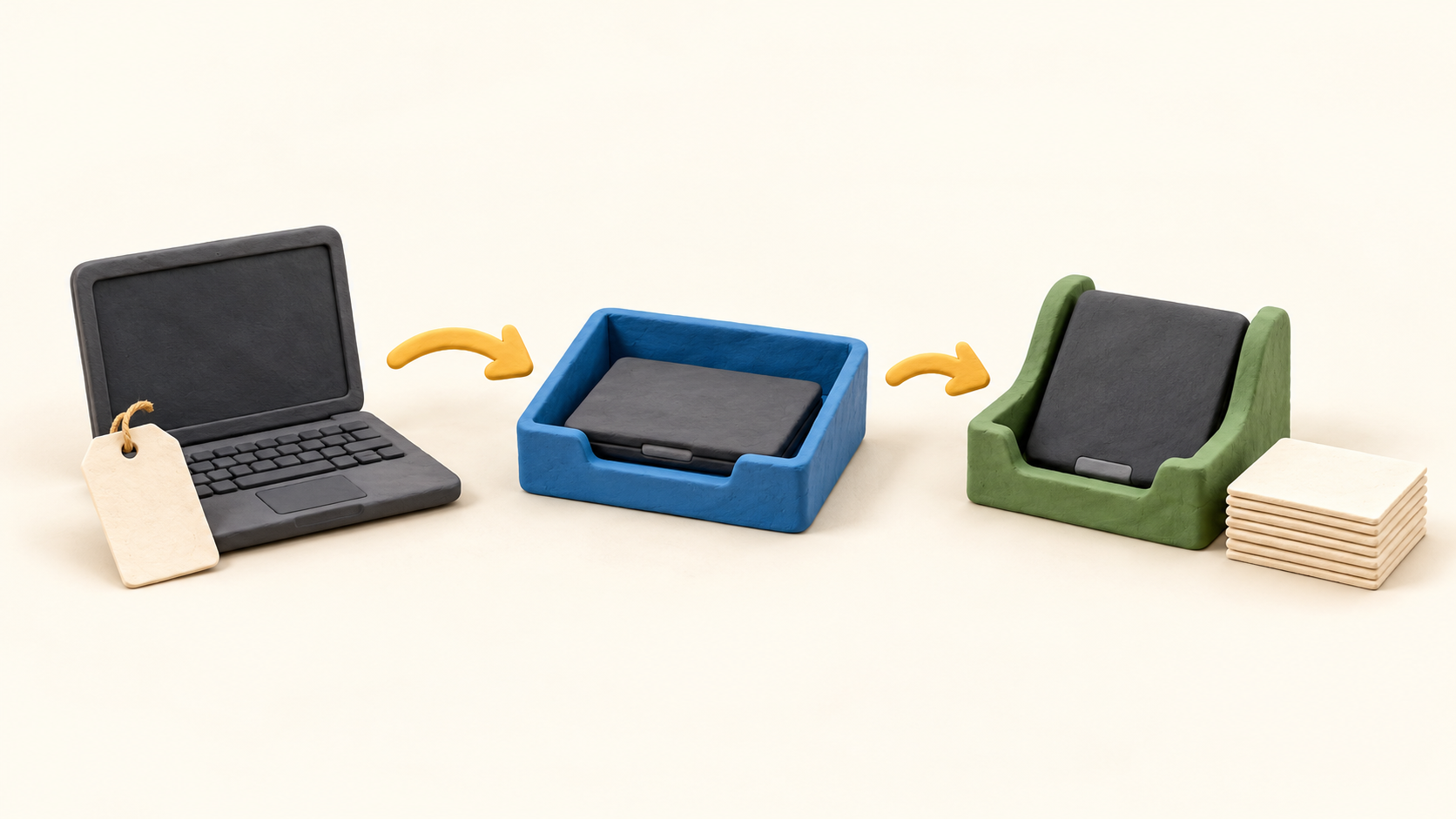
Check an asset out when it changes hands and check it back in when it returns. The asset record retains its checkout, return and maintenance history, so the team can see how a device has moved over time.
For handover controls, checkout can request user acceptance of terms or an EULA, with optional digital signature. Decide which asset categories actually need acceptance before applying it to every device.
A CSV import can bring an existing asset list into the system, and assets can be exported. During an initial move, try a small sample and verify that each asset and assignee is represented as intended before moving the full inventory.
Printed QR-code labels and compatible barcode or QR reader apps can help locate the right asset record during a physical audit. Warranty and license-expiry alerts offer follow-up prompts once the underlying dates are maintained.
Role groups control who may work with records, and Active Directory/LDAP synchronization can help keep user accounts aligned. User and administrator notices cover checkouts and returns, expected returns and low-inventory reporting.
Understand the offer
Pricing and getting started
The software is free when self-hosted, but the organization supplies the server, backups, security operations and upgrades. The vendor’s hosted plans cover setup, installation, maintenance, upgrades and priority support; budget these as distinct operating choices.
The current USD pricing table shows Basic Hosting at $39.99 monthly or $399.99 annually, Small Business at $99.99 monthly or $999.99 annually, and small Dedicated Hosting at $249.99 monthly or $2,499.99 annually. Confirm the required hosted tier and billing period before buying.
Self-hosted teams can add support separately: the support FAQ lists Standard at $449.99 per year and Enterprise at $4,999.99 per year. Standard addresses installation and upgrades; Enterprise includes help with custom API integrations. The FAQ amounts are more precise than the rounded signup-button labels.
The support page currently accepts credit or debit cards for support subscriptions and says purchase orders are unavailable. Confirm procurement and payment handling early if a formal PO is required.
Look a little closer
Before you choose
Pilot a small equipment lifecycle: import or register a sample laptop, assign it to a staff member, record acceptance if required, return it, and inspect the resulting history. Then try a repair or archived state so staff know which devices are actually deployable.
Before a large spreadsheet move, clean asset identifiers and ownership data, protect a recovery copy of the existing records, and rehearse a small CSV import. Check the resulting records and assignments against the source list before relying on reports.
Choose hosting based on who will own upgrades, backups and server maintenance, then price support as a separate line if self-hosted. Verify user permissions, labels and notice routing with real roles before rolling out checkouts broadly.
Keep license and warranty dates current if alerts are important, and test an audit with a small set of QR-labelled assets. These reports only help if the underlying asset records match the physical inventory.
4 distinct sources behind this profile. Research observed Oct 18, 2026. Features and offers can change.
View sources and research →