Find your fit
Who it is for
It fits a team that lends or shares cameras, laptops, tools, lab gear or other reusable equipment. Asset pages and search give staff a consistent record; reservations and custody logs help them coordinate pickup and return.
For mixed inventories, Shelf also describes bookable kits and quantity-based consumables. A team should decide which items need their own tracked identity and which can be counted as a pool before importing records.
The work it supports
Core capabilities
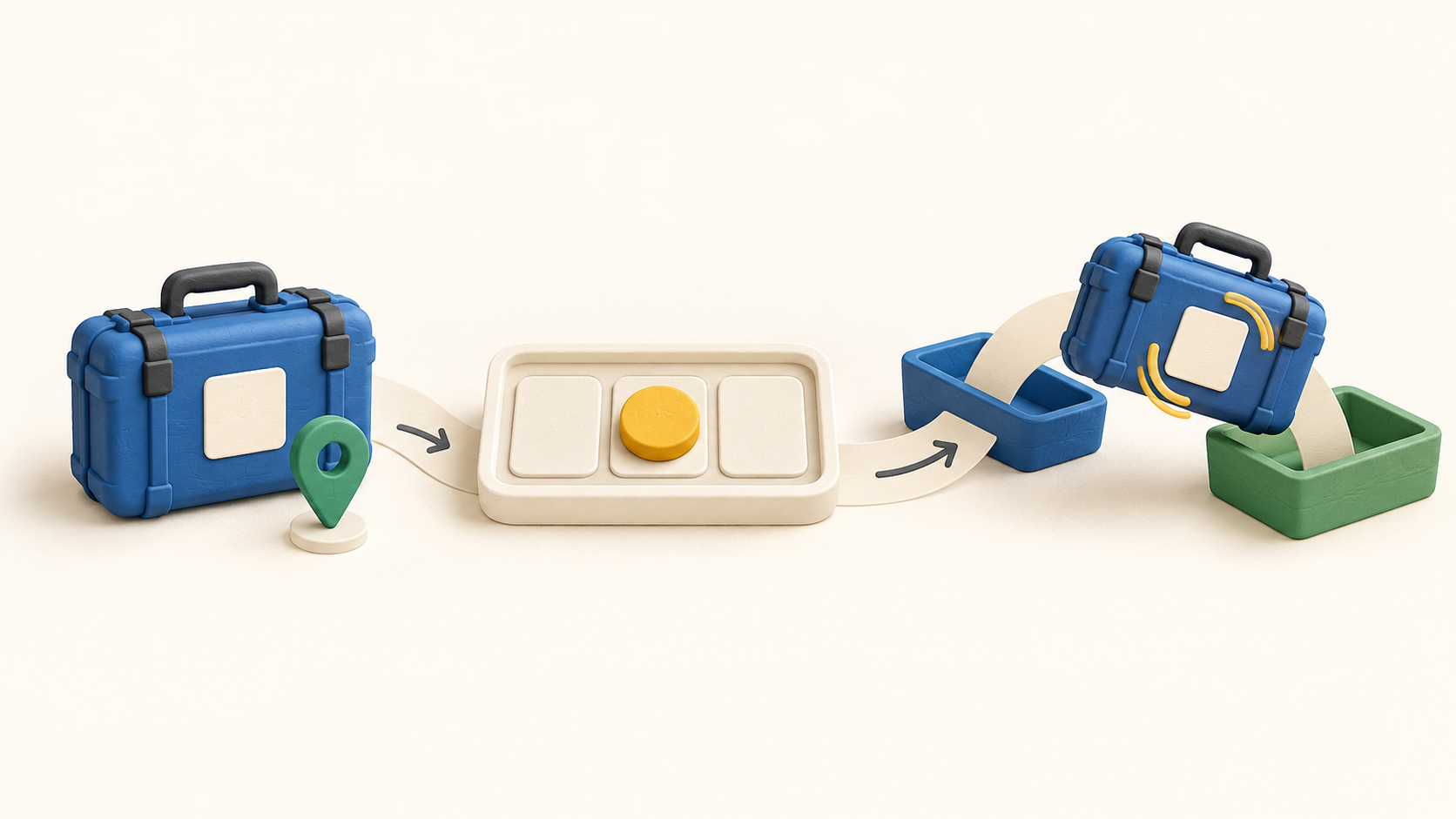
Each individually tracked item can have a page with its photo, custom fields, location, current availability, notes and custody history. A printable QR label opens that record by phone, while search can find items by name, custodian, category, status or custom field.
Custody records who is responsible for an asset from checkout through return. A QR scan can transfer custody, and the item timeline shows who held it and when. That gives teams a concrete handover record for shared equipment.
Reservations show when equipment is available and check for conflicts before confirming a time slot. The booking and custody steps connect, so a reservation can lead into the actual handoff and later return rather than living in a separate calendar.
Kits let related items travel as a bookable unit, while consumables can be tracked by quantity. Use those different tracking modes deliberately: a unique camera body needs a per-item history, whereas a pool of expendable supplies needs an accurate count.
The features page describes physical audits using scans, with found, missing and unexpected results, plus reports covering bookings, custody, utilization and idle assets. Check the selected plan’s audit entitlement before building an audit process around it.
Shelf Companion is described as a free iPhone and Android app for field scans and asset work. The web experience also supports phone-based QR access. Verify device, scanner and offline needs with the chosen deployment before relying on field use.
Understand the offer
Pricing and getting started
The hosted pricing page separates Personal, Plus, Team and Enterprise. Personal is a free one-user workspace; Plus targets a solo manager; Team adds shared booking and unlimited team members; Enterprise uses a custom agreement. Compare the actual workspace and collaboration needs before selecting a tier.
Audits, alternative barcodes and SSO/SAML are shown as Team add-ons. The page’s add-on cards and comparison table display different monthly equivalents, so this listing does not quote a numeric rate. Confirm the selected billing period, add-on inclusion and final written quote.
Shelf offers managed cloud use and Docker self-hosting. The self-hosted route requires PostgreSQL and Supabase and puts more operation with the customer; the hosted plans provide a managed path. Check backup, updates and support responsibilities for the exact arrangement.
The core web platform is published under AGPL-3.0. Shelf says the separate native Companion app is source-available under PolyForm Internal Use, with different redistribution rights. Organizations that require one license across all components should review the repository terms before deployment.
Look a little closer
Before you choose
Start with a small set of actual equipment. Create an asset page for each unique item, print labels and scan them from the phones staff will use. Check search, location and custody history while the sample inventory is still easy to correct.
Reserve a kit for a test period, check it out and return only part of it before the rest. Confirm how availability and custody change at each step, especially if the team frequently lends sets of equipment.
If the organization also tracks supplies, test quantity-based consumables alongside individually tracked assets. Verify that counts, custody and reports answer the team’s actual questions without forcing every low-value unit into its own record.
Before committing to a plan or deployment, obtain a plan-specific list for audits, barcode types, SSO, booking scope and mobile use. For self-hosting, also assign PostgreSQL/Supabase operations, backups and license review to named owners.
8 distinct sources behind this profile. Research observed Oct 18, 2026. Features and offers can change.
View sources and research →