Find your fit
Who it is for
It is positioned toward startups and smaller businesses that want cash and accrual views, startup metrics and a close workflow. A sensible evaluation starts with one fictional bank/card period and checks the chart of accounts, categorization and reconciliation against expected entries.
A founder or accounting team can run Puzzle without buying bookkeeping labor. Expert Reviewed and Full Service have different responsibilities and eligibility, so decide who will confirm transactions, resolve exceptions and own each month-end sign-off before comparing prices.
The work it supports
Core capabilities
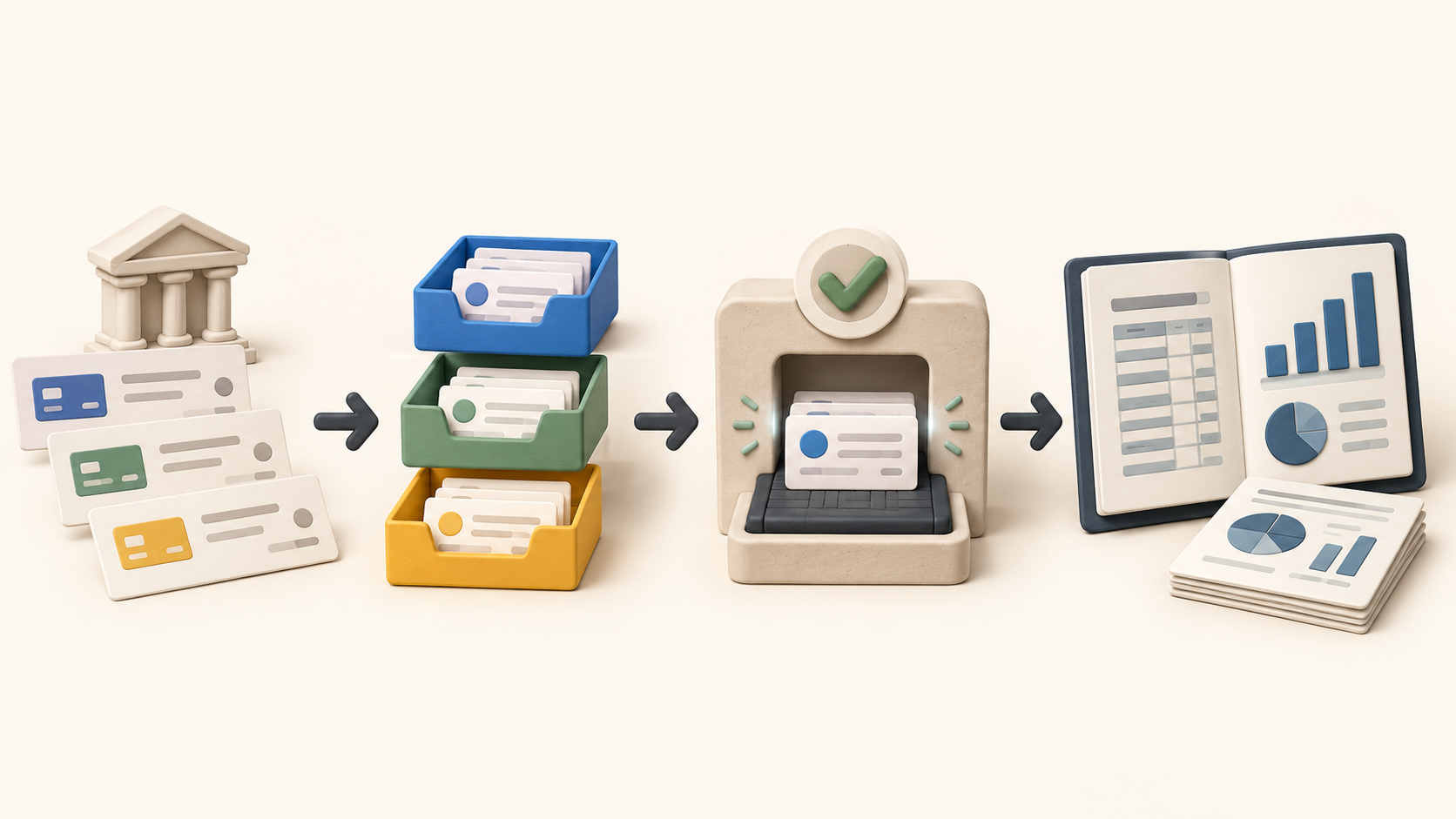
Connections to banks, cards, payroll and payment processors can aggregate activity into a transaction feed. Check the actual sources available to the business and reconcile a sample feed against external statements before treating it as complete.
Categories come from chart-of-accounts mapping, rules, prior work and suggestions. A reviewer can change the category, and the resulting account affects financial reports. Compare a few ambiguous vendors against the business’s intended account policy.
A single transaction can be split between multiple categories; its drawer can hold supporting documents and comments. Sample a mixed-purpose expense and check whether the split, tax treatment and supporting note stay together.
Puzzle distinguishes categorized from confirmed transactions. Until someone confirms a suggestion or AI result, the vendor says the related financials are unreviewed. Review payment-processor activity as well as bank and card feeds before closing a month.
Bank and card reconciliation compares Puzzle activity with statement balances. The guide allows a PDF statement upload and requires earlier periods to be reconciled first. Work through a fictional missing transaction and opening-balance difference before relying on a completed status.
Create a branded invoice with items and terms, send it and track payment in receivables. Payment processing itself uses a third-party provider, so validate the provider, integration, fees and matching before collecting real payments.
The AI tools can draft categorizations, reconciliations and close items, but a human reviews and approves proposed changes. Test a fictional exception to see the evidence and approval path; do not treat an AI suggestion as verified accounting.
Core displays cash, burn, runway, margin and variance insights; Complete lists additional AI accuracy review and reconciliation rights. Check which financial definitions and integration data underlie each measure before using the numbers in investor or management reporting.
The Starter tier describes cash and accrual books. A chart of accounts maps each confirmed category into the general ledger and resulting balance sheet or profit-and-loss view; compare both bases with an accountant where timing matters.
Understand the offer
Pricing and getting started
The current software-only selector shows Starter at $30 and Core at $72 per month, with one and five seats respectively and 25 lifetime AI credits. Complete is displayed at $120 and Scale at $360 monthly, both with unlimited seats and 100 or 300 AI credits per month. The page has monthly/yearly controls and an annual-billing footnote, so confirm the actual term and checkout total.
A 14-day free trial is advertised. Starter lists cash/accrual books and basic statements, Core adds startup insights and advanced reporting, Complete adds AI-powered accuracy review and reconciliation, and Scale adds high-volume rights and subledgers. Estimate seat, credit, integration and transaction use against the selected tier.
Managed accounting is a separate choice on top of a Puzzle subscription. Expert Reviewed is shown at $171 per month including Core for a business with up to $10,000 monthly expenses, but eligibility excludes payroll processing, receivables/payables and inventory. Full Service is quoted according to software plan and expense volume.
Ordinary product support helps with how the software works; it does not close a customer’s books. A paid bookkeeper or partner service takes on review or month-end work under a separate offering, while the customer still has stated duties to keep accounts connected and respond to questions.
Separate add-ons include migration, catch-up work, an R&D study and tax filing. The current service guide gives starting or formula prices and says they require an active subscription; its state-based tax pricing indicates a US-specific service scope that buyers elsewhere should verify directly.
Look a little closer
Before you choose
Reconcile one fictional month from source transactions through categories, confirmations and statement balance. Inspect whether suggested transactions remain visibly unreviewed and whether missing or duplicate items appear before signing off.
Set a human approval owner for AI close work. The vendor describes drafts that do not post without approval, but this research did not test an account, agent, permission or audit trail.
Check a sample invoice and payment-provider match without sending or charging a real customer. Puzzle says its invoice ledger work is separate from third-party payment processing; provider fees and country availability need direct confirmation.
Compare the software-only cost with any desired accounting service. A small team could need more seats, recurring AI credits or a different accounting service tier than Starter/Core includes; service eligibility and expense volume affect the total.
Before buying migration, tax or R&D help, confirm the written scope, price, entity/country eligibility and who remains responsible for filing. The existence of a one-click report or AI draft does not establish tax compliance or correct books.
10 distinct sources behind this profile. Research observed Oct 27, 2026. Features and offers can change.
View sources and research →