Find your fit
Who it is for
The strongest fit to evaluate is a warehouse operator with several locations, high order throughput or multiple 3PL clients. Logiwa also describes B2B and B2C fulfillment in the same 3PL environment. A smaller seller with straightforward stock tracking should compare the implementation effort and quote to its actual warehouse complexity.
The product is focused on execution inside the warehouse. It can sync with ecommerce orders, but buyers should map the full chain from channel order and stock feed to receiving, inventory allocation, picking, carrier handoff and client billing before treating it as an end-to-end fit.
The work it supports
Core capabilities
Logiwa IO describes multiwarehouse inventory with location and zone rules, fixed and dynamic picking positions and location capacities. Warehouse managers can review shortages by location, route an order to a fulfillment center and track transfers. Test the chosen location rules against the physical layout and inventory ownership model.
Mobile scanners record items as they are received, put away, picked, packed, shipped, counted or transferred. Mobile reports expose stock, order progress and jobs; barcode checks are described across receiving through shipping. A pilot should confirm scanner support, labels and offline or exception handling with the actual hardware.
A task engine presents the next warehouse activity in the mobile app. Planning tools list picking, packing and sorting tasks, batching and walking-path optimization. Managers can see task history and alerts for missing items, safety stock, expiration dates or bottlenecks. Review the proposed rules and human exception path before automating a busy shift.
The WMS page names Shopify, Magento and Amazon as example order sources. Warehouse planning includes order routing, putaway and allocation rules, while the platform describes real-time inventory and order synchronization. Confirm exact connector scope, data direction and latency with each channel used in the business.
For 3PLs, Logiwa describes multi-client operations and a portal that can expose information to clients. Its billing tools model client-specific contract terms and detailed activity such as receipts, storage, picks, shipments and returns. Validate both operational separation and the exported bill against a sample client contract.
Understand the offer
Pricing and getting started
Logiwa does not show one public subscription price. It says the quote is tailored to fulfillment volume and operational complexity, rather than user count. Build a normal-month and peak-month volume scenario and ask how each affects the contracted fee.
The pricing page says users for the warehouse team and 3PL clients are unlimited. It also describes core WMS functionality, standard integrations, implementation and ongoing support as included. Have the written proposal define the exact included integrations, rollout work, support hours, volume bands and any additional services.
Look a little closer
Before you choose
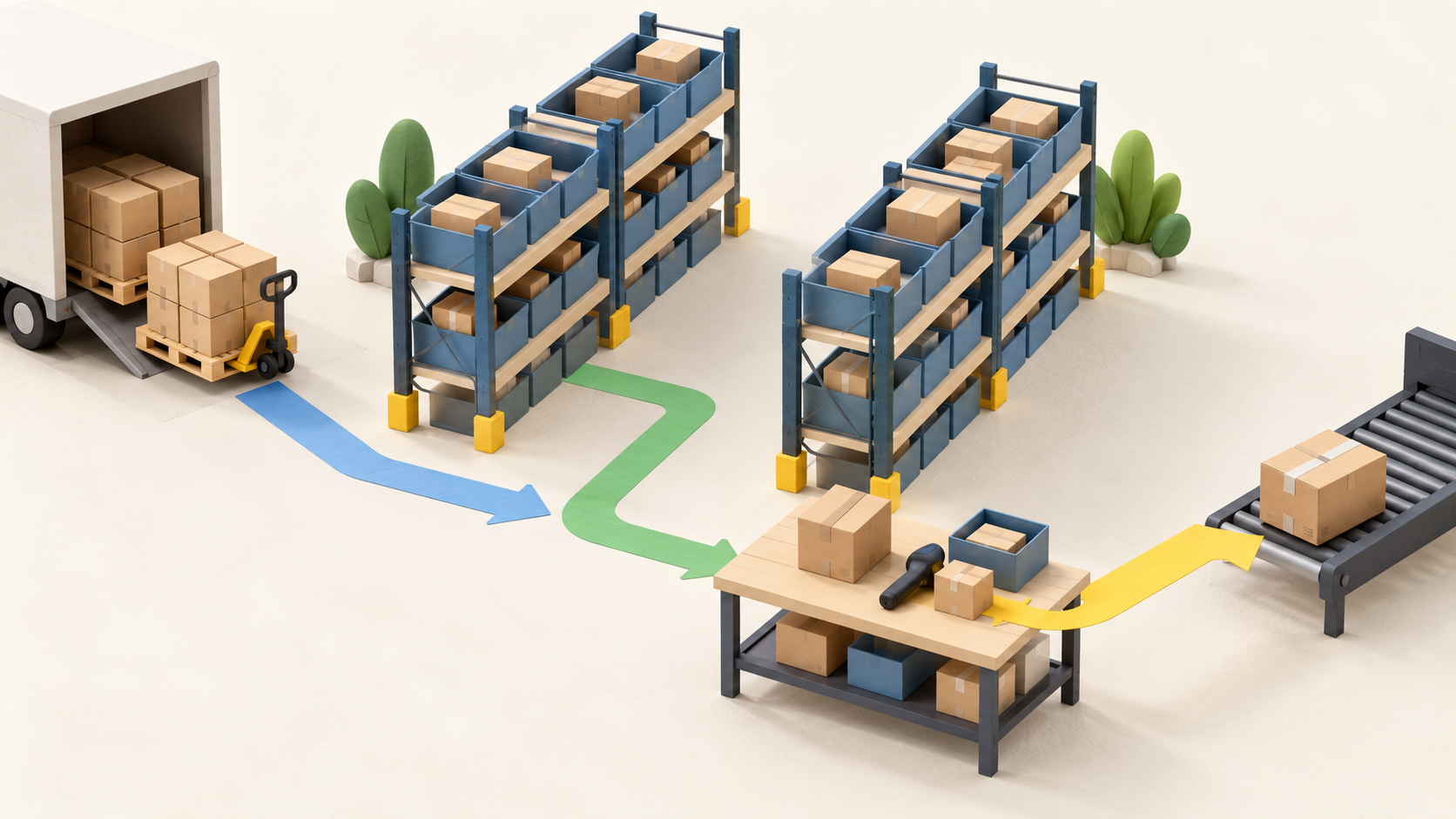
A representative pilot should receive goods, scan them into more than one location, transfer stock, release an ecommerce order, run the suggested pick and pack path, then confirm shipment and resulting stock. Include a missing item and a short-stock case so staff can check how exceptions reach the right person.
For a 3PL, run the same test across two client inventories and compare the activity report with each client’s billing terms. Confirm portal permissions so one client sees only its own records. Also request a volume-based quote reflecting the whole fulfillment mix rather than assuming unlimited users means a flat total cost.
Before signing, ask the vendor to demonstrate inventory updates, scanner workflows and 3PL billing against representative orders and contract terms. Record which integrations, implementation tasks and support services are included in the written agreement.
5 distinct sources behind this profile. Research observed Oct 18, 2026. Features and offers can change.
View sources and research →