Find your fit
Who it is for
The business type selected during setup matters. FreeAgent offers different UK accounts for sole traders, partnerships and LLPs, limited companies and unincorporated landlords; limited-company accounts include Corporation Tax and year-end functions that other types do not. A freelancer, landlord and incorporated agency should each check the account type against the actual filing work they need.
A service business can connect sales and delivery: estimates and tracked project time become invoice items, while project expenses contribute to a view of income and profitability. A business that only needs invoices may use less of this workflow, but one that bills by task can evaluate the project and time records alongside bookkeeping.
The work it supports
Core capabilities
FreeAgent builds double-entry accounts from the transactions, invoices and expenses entered over the year. Profit-and-loss, balance-sheet, trial-balance and debtor/creditor reports offer different views of the same records. Review how opening balances and transaction categories have been entered before treating any report as complete.
Supported UK Open Banking feeds import business bank transactions. FreeAgent can suggest categories and reuse previous explanations, but the owner or bookkeeper still has to inspect unfamiliar transactions and ensure they are explained correctly. Test the exact bank connection and the path for any missing or duplicated entries during setup.
Invoices can start from templates, price-list items, an estimate or tracked project time. VAT rates can be set on invoice items. Recurring invoices and scheduled reminder emails reduce repeat entry, while payment links depend on the connected payment provider. Check invoice wording and payment settings with a sample before sending real customer documents.
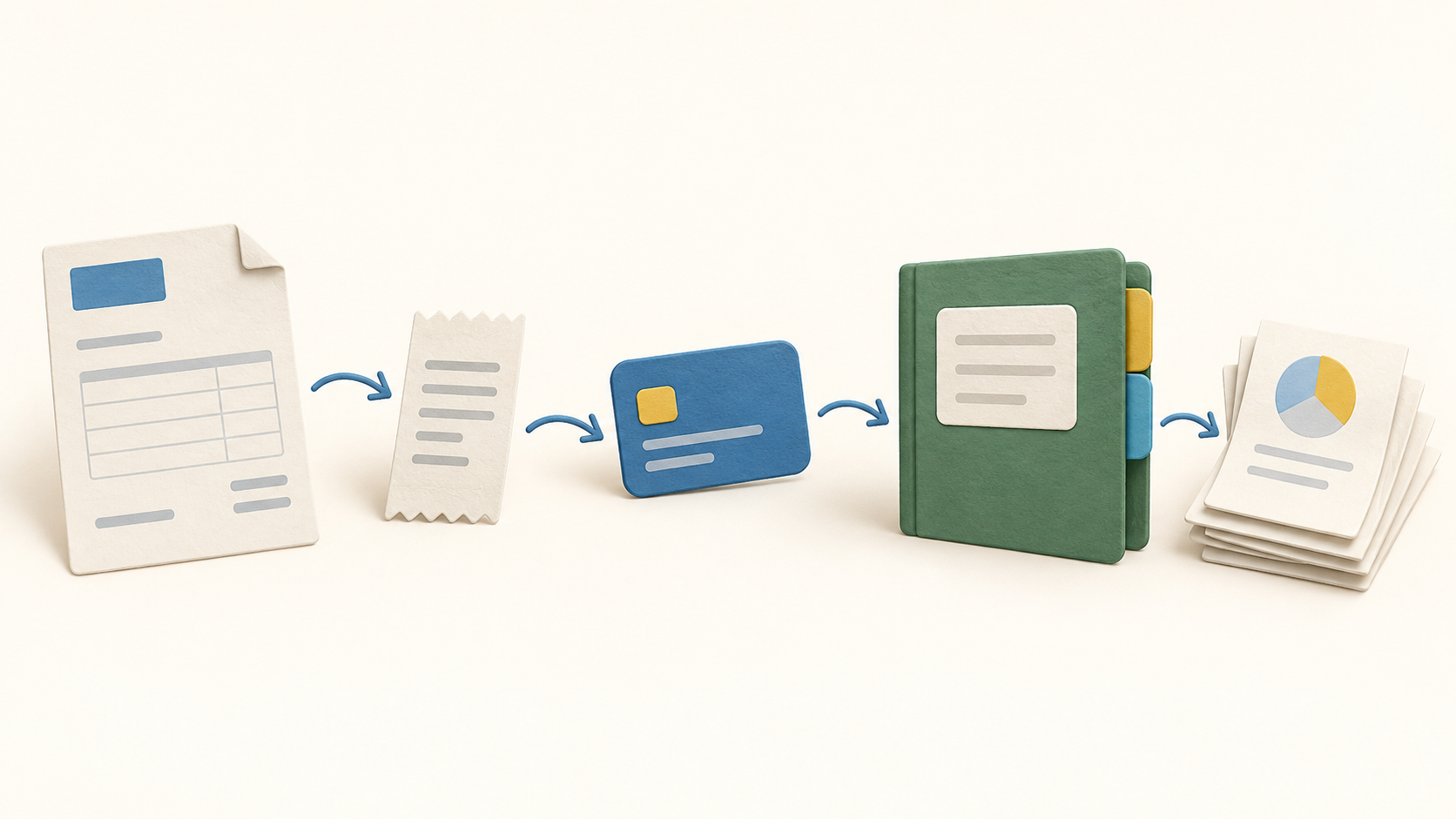
Smart Capture accepts receipts and bills on mobile or desktop, extracts data and proposes categories and a matching bank transaction for approval. Staff can also record out-of-pocket expenses, mileage and supplier bills. The approval step matters: an uploaded image is a draft input until the extracted amount, date and category are checked.
For the relevant UK setup, VAT returns can be generated from bookkeeping entries and submitted through FreeAgent to HMRC under Making Tax Digital. The vendor describes invoice and cash basis returns and Flat Rate Scheme support. Check registration, VAT scheme, unexplained bank entries and return period with an accountant before any live filing.
Projects collect estimates, invoices, expenses, tasks and time so an owner can see income, cost and profitability by job. Billable and unbillable time can be entered manually or with a stopwatch, then used for an invoice or timesheet report. Test one representative job to see whether task rates and rebilled costs match the team's billing practice.
Understand the offer
Pricing and getting started
FreeAgent prices paid subscriptions by business type and monthly or annual term. The public page shows a 30-day trial; at this capture its UK limited-company selector showed a regular £33 per month before 20% VAT, plus an introductory six-month discount. That example is not a price for every account type; select the correct type and term and recheck the current total before signing up.
An eligible NatWest, Royal Bank of Scotland or Ulster Bank business current account can provide the standard FreeAgent account without a subscription while the account is retained. For Mettle, the vendor requires at least one transaction through the bank account each month. Those offers are conditional; optional add-ons can be chargeable even when the core account is free.
The pricing page lists optional charges for unlimited receipt and bill Smart Capture and Amazon UK Marketplace connection on the limited-company selector. Include add-ons in any comparison, particularly if a team expects more than the included capture allowance or depends on marketplace imports.
Look a little closer
Before you choose
A short evaluation can use fictional sample data: enter an estimate, turn it into an invoice, record a bill or out-of-pocket expense, then explain a sample bank entry and inspect the resulting reports. This checks the links between daily work and the accounts without assuming that an automated suggestion is correct.
For tax work, choose the actual UK business type and confirm which filings the account includes. FreeAgent describes US and Universal accounts too, and the Universal type omits VAT, payroll, Self Assessment and Corporation Tax computations. Test the intended UK return workflow before relying on it for a deadline.
Before comparing total cost, verify the business type, monthly versus annual term, promotional expiry, VAT and any add-ons. If relying on a bank-linked free account, confirm that the account is eligible and that the Mettle monthly-transaction condition, where applicable, can be maintained.
10 distinct sources behind this profile. Research observed Oct 21, 2026. Features and offers can change.
View sources and research →