Find your fit
Who it is for
A PMO can use a Management Workspace to review programs, projects and cross-team dependencies while departments keep their own boards. The useful test is whether leadership can see progress without asking every team for a separate status deck.
A delivery team can shape columns and sections around its actual process, then link work to other boards where another team controls a prerequisite. This makes a delayed dependency visible alongside the daily cards.
A group that plans initiatives by dates and capacity can compare Timeline and Planning/Gantt views. The latter adds dependencies and critical-path context; review the historical-flow inputs before treating any forecast as a deadline promise.
The work it supports
Core capabilities
Portfolio view. Put portfolios, programs and projects in one management view and link work to outcomes. Start with a small hierarchy so owners and executives can agree what a project is before rolling up many teams.
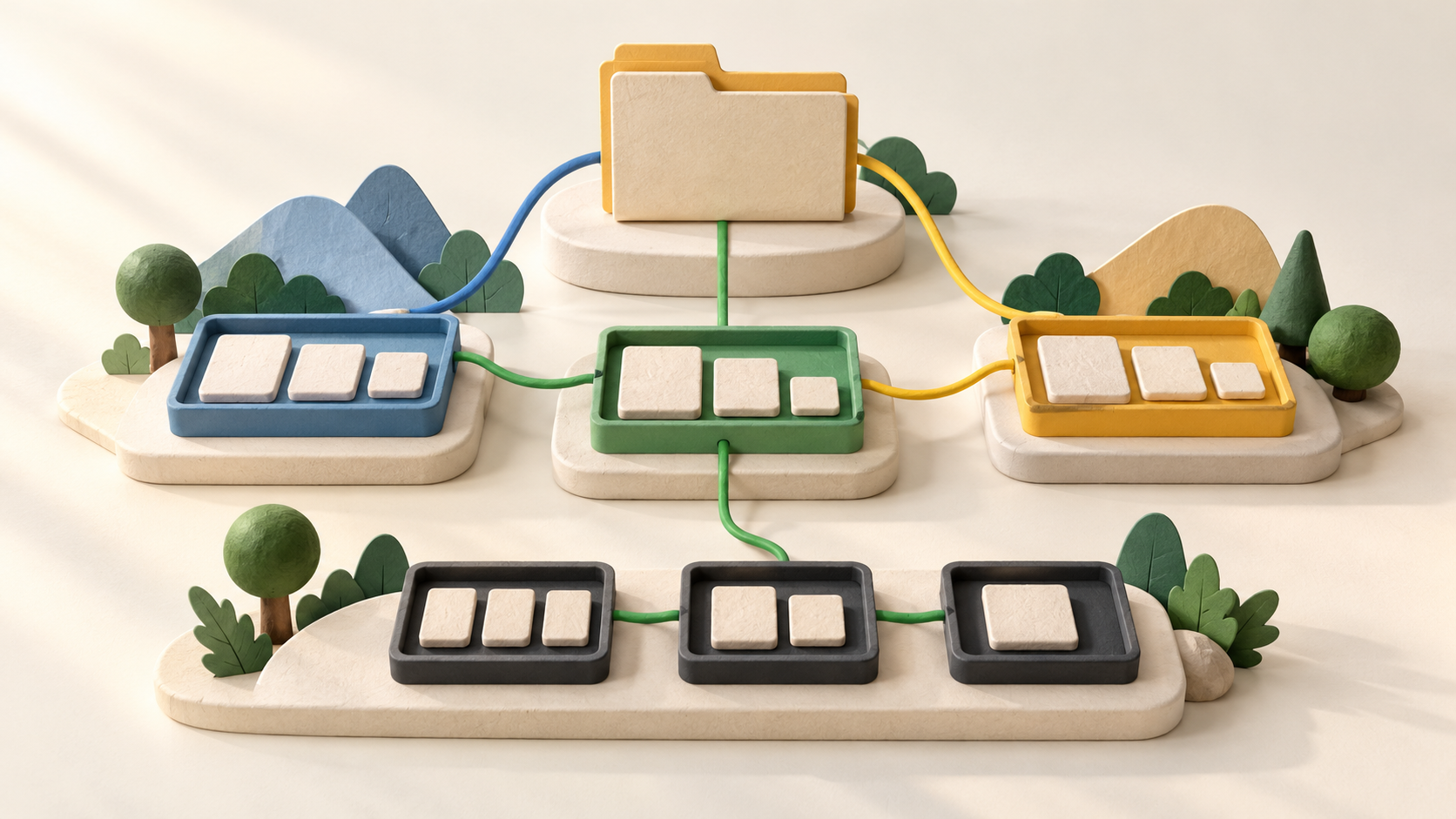
Connected workspaces. A Management Workspace provides the cross-team view, while Team Workspaces contain operational boards. Linked workflows can synchronize item statuses between levels; test the relationship with one sample project before relying on the roll-up.
Kanban execution. Boards display tasks as cards and can be divided into sections and more detailed stages. Use a few real work types to see whether the chosen columns reveal blocked work or merely reproduce an old status spreadsheet.
Dependencies. Boards can show relationships between teams so a project owner can see which other work must move first. Agree who updates each link and what escalation should happen when a prerequisite stalls.
Planning views. A Timeline places dated initiatives on a calendar, while Planning/Gantt adds predecessor and successor links, critical-path highlighting and planned-versus-actual comparisons. Use the view that matches the decisions the team actually makes.
Capacity and flow. Businessmap describes forecasts built from historical flow data and a range of possible outcomes. Cycle time, aging and blocked-work indicators can support a review, but forecast quality depends on representative prior work.
Outcomes. OKRs and KPIs can be attached to portfolio work so teams can discuss whether project output contributes to a measurable goal. Keep the goal definition and measurement outside the board mechanics.
Understand the offer
Pricing and getting started
The current public page offers annual and month-by-month selection. Required license seats form the base purchase, with optional add-ons; the captured public text does not provide a reliable numeric per-seat amount. Request a written quote for the intended seat count, currency, tax and billing term.
The comparison presents Standard for connecting projects to strategy and Enterprise for larger security and support needs. Dedicated cloud instance, 24/7 hotline, customer success manager and IP whitelisting appear in the Enterprise column. Confirm the exact entitlement in the quote.
Automation rules and SSO are marked as optional add-ons in the configurator. Ask whether each is included in the quoted edition and whether rule volume or implementation assistance changes the total.
A free trial can be requested, and the site says an expert will unlock the account. The reviewed page does not promise a fixed duration or automatic self-service access; agree on a pilot scope and dates with the vendor.
Look a little closer
Before you choose
Pilot one portfolio with two team boards, a cross-team dependency and a linked management item. Check whether status changes remain understandable at both levels and whether ownership is clear when a project slips.
Compare the Timeline and Planning/Gantt views using a project with a real predecessor. Then inspect the capacity forecast against prior completed work and decide how much uncertainty to show stakeholders.
The purchase case should include seats, edition, optional automation and SSO, trial scope, and any Enterprise support needs. A quote is needed before treating the total cost as known.
8 distinct sources behind this profile. Research observed Oct 18, 2026. Features and offers can change.
View sources and research →